
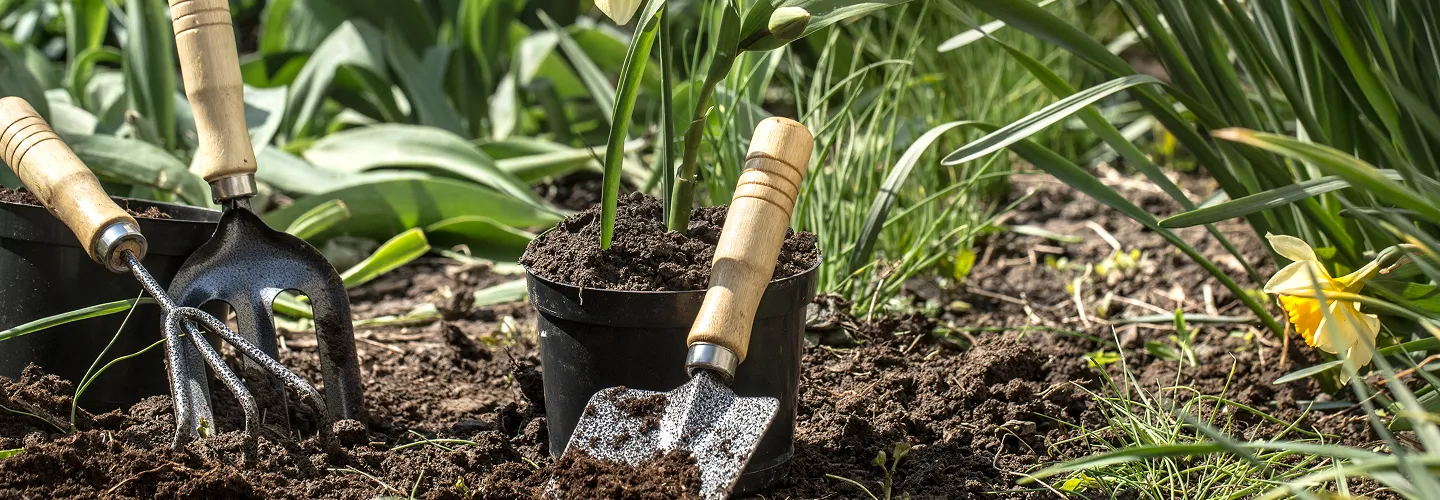
Leander Lawn Edging Services
Choose our expert lawn edging for a polished, professional look that boosts curb appeal and makes yard maintenance easier than ever.
Get a Free QuoteOur Leander Landscaping & Yard Care Services
When to Schedule Lawn Edging in Leander, Texas – Seasonal Guide
In Leander, Texas, the best times to schedule lawn edging are typically in early spring and late fall. These periods align with the region’s moderate temperatures and increased soil moisture, making it easier to achieve crisp, clean edges without stressing your turf. Leander’s climate, characterized by hot summers and mild winters, means that edging during the peak heat or just before the first frost can be less effective and potentially damaging to your lawn. Neighborhoods near Crystal Falls or along Brushy Creek often experience microclimates—such as increased shade from mature oaks or variable soil types—that can influence the ideal timing for lawn maintenance.
Local environmental factors play a significant role in determining when to edge your lawn. For example, areas with heavy clay soils, common in Leander, retain moisture differently than sandy patches found closer to the San Gabriel River. Additionally, municipal guidelines and water restrictions, which can be found on resources like the City of Leander’s official site, may impact when and how often you can perform certain landscaping tasks. By considering these local nuances, you can ensure your lawn edging is both effective and compliant with community standards.
Local Factors to Consider for Lawn Edging in Leander
- Tree density and shade coverage (e.g., mature oaks in Crystal Falls)
- Soil type and drainage (clay vs. sandy soils)
- Seasonal precipitation and drought risk
- Frost dates and temperature fluctuations
- Terrain and slope of your property
- Municipal restrictions or neighborhood association guidelines
Benefits of Lawn Edging in Leander

Enhanced Curb Appeal
Weed Growth Prevention
Defined Landscape Borders
Low Maintenance Solutions
Increased Property Value
Professional Installation Expertise

Leander Lawn Edging Types

Metal Lawn Edging
-
Plastic Landscape Edging
-
Stone Garden Borders
-
Brick Lawn Edging
-
Concrete Edging
-
Wooden Landscape Borders
-
Rubber Lawn Edging
Our Lawn Edging Process
Site Evaluation
Marking Edges
Cutting the Edge
Debris Removal
Final Inspection
Why Choose Leander Landscape Services
-
Leander Homeowners Trust Us
-
Expert Lawn Maintenance
-
Reliable Scheduling
-
Competitive Pricing
-
Professional Team
-
Satisfaction Guarantee
-
Personalized Service
Addressing Leander’s Expansive Clay Soils in Lawn Edging Projects
Lawn edging in Leander requires careful consideration of the city’s predominant Houston Black and Austin silty clay loam soils, which are characterized by high clay content, alkaline pH (7.5–8.2), and significant seasonal expansion and contraction. These soils can cause shifting or heaving of edging materials if not properly installed. Best practices include excavating a trench at least 6 inches deep, incorporating 2–3 inches of compost for improved drainage, and using flexible edging materials that accommodate soil movement. Soil testing is recommended through Texas A&M AgriLife Extension (typical test cost: $15–$25) to determine amendment needs. For detailed soil mapping, consult the USDA Web Soil Survey. Coordination with municipal infrastructure is essential when working near public rights-of-way.
Leander Public Works Department
201 N. Brushy Street, Leander, TX 78641
Phone: (512) 259-2640
Official Website: Leander Public Works Department
Equipment Operation Hours and Noise Ordinance Compliance for Lawn Edging in Leander
Lawn edging activities in Leander are subject to municipal noise ordinances and equipment operation hour restrictions to minimize community disturbance. Permitted hours for powered lawn equipment are:
- Monday–Friday: 7:00 AM – 7:00 PM
- Saturday: 8:00 AM – 6:00 PM
- Sunday and holidays: Prohibited Operators must ensure all equipment is fitted with functioning mufflers and does not exceed 85 decibels at the property line. When working within 50 feet of public roads or parks, high-visibility vests and ANSI Z87.1 safety glasses are required. For projects near city infrastructure, advance notification to the Department of Public Works is recommended. Violations of noise or safety ordinances may result in fines or work stoppages.
Leander Code Enforcement Division
201 N. Brushy Street, Leander, TX 78641
Phone: (512) 528-2799
Official Website: Leander Code Enforcement Division
Stormwater Management and Environmental Compliance for Lawn Edging in Leander
Proper lawn edging in Leander must comply with local and state stormwater management regulations to protect Brushy Creek, South San Gabriel River, and nearby wetlands. The Texas Water Code and Clean Water Act prohibit discharge of soil, debris, or chemicals into storm drains. Maintain a 25-foot no-disturbance buffer from wetlands and avoid placing clippings or edging debris in drainage channels. The city’s MS4 permit, administered by the Texas Commission on Environmental Quality, requires that all landscaping waste be collected and disposed of properly. Weekly yard waste collection is available every Thursday, April through November, using biodegradable bags or 32-gallon bins. For guidance on buffer zones and protected areas, contact the city’s environmental staff.
Leander Water and Wastewater Department
201 N. Brushy Street, Leander, TX 78641
Phone: (512) 259-1142
Official Website: Leander Water and Wastewater Department
Seasonal Timing and Weather Considerations for Lawn Edging in Leander’s Climate
Leander is located in USDA Hardiness Zone 8b, with average annual minimum temperatures of 15–20°F and hot, dry summers. Optimal timing for lawn edging is late February through early May or late September through October, when soil temperatures range from 55–75°F and moisture levels are moderate. Avoid edging during peak summer (June–August) due to soil compaction and heat stress, and after heavy rainfall to prevent soil disturbance. Monitor local weather forecasts through the National Weather Service Austin/San Antonio Office for rainfall and temperature updates. For best results, schedule edging after irrigation or light rain to ease trenching in clay soils. Annual maintenance is recommended each spring to address soil movement and maintain defined edges.
Zoning, Setback, and Permit Requirements for Lawn Edging in Leander
Lawn edging installations in Leander must comply with city zoning codes and property line setback requirements. Edging structures over 12 inches in height or within 5 feet of a public sidewalk require a permit from the Development Services Department. Permit application fees typically range from $25–$75, with a review period of 5–10 business days. Homeowners’ associations (HOAs) in certain neighborhoods may impose additional restrictions on edging materials and placement. All installations must maintain a 25-foot setback from wetlands and a 50-foot buffer from protected water bodies. For detailed zoning maps and permit forms, consult the city’s zoning division.
Leander Zoning Division
201 N. Brushy Street, Leander, TX 78641
Phone: (512) 528-2750
Official Website: Leander Zoning Division
What Neighborhoods Do We Serve Throughout Leander, TX?
- Crystal Falls: Features rolling terrain and heavy clay soils, requiring deep edging installation and careful drainage management to prevent shifting during wet seasons.
- Block House Creek: Characterized by mature landscaping and established tree cover, with compacted soils and HOA guidelines that may restrict edging material choices.
- Savanna Ranch: Newer development with well-drained soils but smaller lot sizes, necessitating precise property line measurements and adherence to setback requirements.
- Old Town Leander: Historic district with narrow lots and older infrastructure, where coordination with city departments is essential for work near sidewalks and public rights-of-way.
- Hazlewood: Located near Brushy Creek, this area requires strict compliance with wetland buffer zones and stormwater management practices to protect sensitive habitats.
- Mason Hills: Features sloped lots and mixed soil types, presenting challenges for erosion control and consistent edge definition, especially after heavy rainfall.
- Palmera Ridge: Proximity to conservation areas and newer infrastructure means additional review for environmental compliance and access limitations for equipment.