
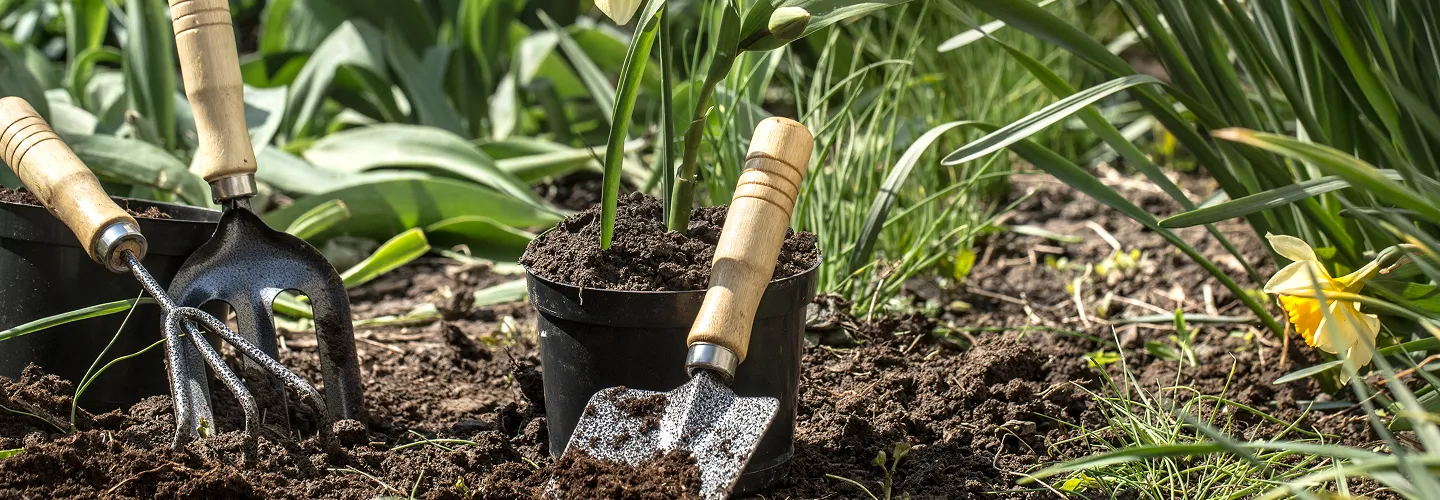
Leander Flower Bed Maintenance Services
Choose our Flower Bed Maintenance for expert care, healthy blooms, and a beautiful landscape that enhances your home's curb appeal—let us handle the hard work so you can enjoy a thriving, colorful garden without the hassle.
Get a Free QuoteOur Leander Landscaping & Yard Care Services
When to Schedule Flower Bed Maintenance in Leander, Texas – Seasonal Guide
In Leander, Texas, the timing of flower bed maintenance is crucial for ensuring vibrant, healthy landscapes throughout the year. The region’s climate features hot summers, mild winters, and variable rainfall, making it important to plan maintenance around local weather patterns. For most neighborhoods—whether you’re near Crystal Falls, Old Town Leander, or the shaded lots around Devine Lake Park—spring and early fall are optimal for major flower bed work. These seasons offer moderate temperatures and increased soil moisture, which help new plantings establish strong roots and minimize transplant shock.
Local environmental factors play a significant role in determining the best maintenance schedule. Leander’s last frost typically occurs in early March, so it’s wise to wait until after this date for planting or mulching. Summer brings high heat and occasional drought, so mulching and irrigation checks are best done in late spring. Areas with dense shade, such as those under mature oaks in Mason Hills, may require different plant selections and more frequent soil amendments. For more information on local climate and gardening resources, visit the Sudbury town website.
Local Factors to Consider for Flower Bed Maintenance in Leander
- Tree density and shade coverage, especially in neighborhoods with mature canopies
- Soil type and drainage, which can vary between rocky hillsides and creekside properties
- Annual precipitation patterns and drought risk
- Frost dates and seasonal temperature swings
- Municipal watering restrictions and local ordinances
- Proximity to natural features like Brushy Creek or Devine Lake, which may affect humidity and microclimates
Benefits of Flower Bed Maintenance in Leander
Enhanced Curb Appeal
Weed and Pest Prevention
Healthier Plant Growth
Seasonal Color Variety
Professional Expertise
Time and Effort Savings
Leander Flower Bed Maintenance Types

Seasonal Flower Planting
-
Weed Control Services
-
Mulching and Soil Conditioning
-
Pruning and Deadheading
-
Fertilization Programs
-
Pest and Disease Management
-
Irrigation System Maintenance
Our Flower Bed Maintenance Process
Site Evaluation
Weed Removal
Soil Preparation
Plant Care
Mulching
Why Choose Leander Landscape Services
-
Leander Homeowners Trust Us
-
Expert Lawn Maintenance
-
Reliable Scheduling
-
Competitive Pricing
-
Professional Team
-
Satisfaction Guarantee
-
Personalized Service
Soil Series and Drainage Considerations for Flower Beds in Leander
Leander’s predominant soils, including Houston Black clay and Branyon clay loam, present unique challenges for flower bed maintenance. These soils are characterized by high clay content, pH levels typically ranging from 7.5 to 8.2, and slow drainage, which can lead to waterlogging during heavy rainfall. To promote healthy root development, it is recommended to incorporate 2-3 inches of compost into the top 6 inches of soil and conduct a soil test through Texas A&M AgriLife Extension (typical cost: $15-25). For optimal drainage, raised beds at least 8-12 inches high are advised. Mulching with 2-3 inches of organic material helps regulate soil moisture and temperature. Research local soil series using the USDA Web Soil Survey for site-specific recommendations.
Leander Public Works Department
201 N. Brushy Street, Leander, TX 78641
Phone: (512) 259-2640
Official Website: Leander Public Works Department
Seasonal Timing and Climate Zone Guidance for Leander Flower Beds
Leander is located in USDA Hardiness Zone 8b, with average annual minimum temperatures of 15-20°F. The optimal window for planting and major flower bed maintenance is from March 1 to May 15 in spring and September 15 to November 1 in fall. Avoid heavy soil disturbance or new plantings from June through August due to high temperatures and drought risk. Monitor local weather forecasts through the National Weather Service Austin/San Antonio Office for frost advisories and rainfall events. Key timing guidelines include:
- Spring planting: March 1 – May 15
- Fall planting: September 15 – November 1
- Mulch renewal: February and October
- Fertilization: Early March and late September
Municipal Regulations and Flower Bed Maintenance Ordinances in Leander
Flower bed maintenance in Leander is subject to city ordinances governing property appearance, debris disposal, and equipment operation. Equipment use is permitted:
- Monday-Friday: 7:00 AM – 7:00 PM
- Saturday: 8:00 AM – 6:00 PM
- Sunday and holidays: Prohibited All green waste, including plant trimmings and mulch, must be disposed of in biodegradable bags or 32-gallon containers for weekly curbside collection on Thursdays, April through November. Plastic bags and branches over 4 inches in diameter are not accepted. Property owners are required to maintain a 25-foot buffer from wetlands and drainage channels. For enforcement and compliance, consult the city’s code division.
Leander Code Enforcement Division
201 N. Brushy Street, Leander, TX 78641
Phone: (512) 528-2799
Official Website: Leander Code Enforcement Division
Environmental Compliance: Stormwater, Buffer Zones, and State Regulations
Proper flower bed maintenance in Leander must comply with the Texas Water Code and Clean Water Act requirements. The city operates under an MS4 permit, prohibiting the discharge of soil, mulch, or plant debris into storm drains. Maintain a 25-foot no-disturbance buffer from wetlands and a 50-foot setback from water bodies such as Brushy Creek. Fertilizer and pesticide applications are restricted within these buffer zones. For stormwater compliance and reporting, coordinate with the city’s water department and reference Texas Commission on Environmental Quality guidelines.
Leander Water and Wastewater Department
201 N. Brushy Street, Leander, TX 78641
Phone: (512) 259-1142
Official Website: Leander Water and Wastewater Department
Plant Selection and Native Species Recommendations for Leander Beds
Selecting appropriate species is critical for sustainable flower bed maintenance in Leander’s climate and soils. Recommended native and adapted perennials include:
- Full sun: Black-eyed Susan (Rudbeckia hirta), purple coneflower (Echinacea purpurea), autumn sage (Salvia greggii)
- Partial shade: Turk’s cap (Malvaviscus arboreus), columbine (Aquilegia canadensis), heartleaf skullcap (Scutellaria ovata)
- Deer resistant: Russian sage (Perovskia atriplicifolia), lantana (Lantana camara), mealy blue sage (Salvia farinacea)
- Native options: Winecup (Callirhoe involucrata), standing cypress (Ipomopsis rubra), Texas betony (Stachys coccinea) Space plants 12-18 inches apart for groundcovers and 18-24 inches for larger perennials. Consult Texas A&M AgriLife Extension for additional plant lists and diagnostic support.
What Neighborhoods Do We Serve Throughout Leander, TX?
- Crystal Falls: Features rolling terrain and shallow clay soils, requiring raised beds and careful drainage management for successful flower bed establishment.
- Block House Creek: Characterized by mature landscaping and compacted soils, with many lots near drainage easements necessitating strict buffer compliance.
- Savanna Ranch: Newer development with moderate slopes and engineered soils, where HOA guidelines may specify plant types and mulch colors for uniformity.
- Old Town Leander: Historic district with variable lot sizes and older infrastructure, often presenting challenges with narrow access and legacy tree roots.
- Hazlewood: Located near Brushy Creek, this area has floodplain considerations and periodic high water tables, requiring flood-tolerant plant selections and elevated beds.
- Mason Hills: Suburban neighborhood with wide lots and full sun exposure, ideal for native prairie species but requiring regular mulch renewal due to high evaporation rates.
- Palmera Ridge: Features newer construction and well-drained soils, but proximity to protected open spaces means increased deer pressure and the need for deer-resistant plantings.