
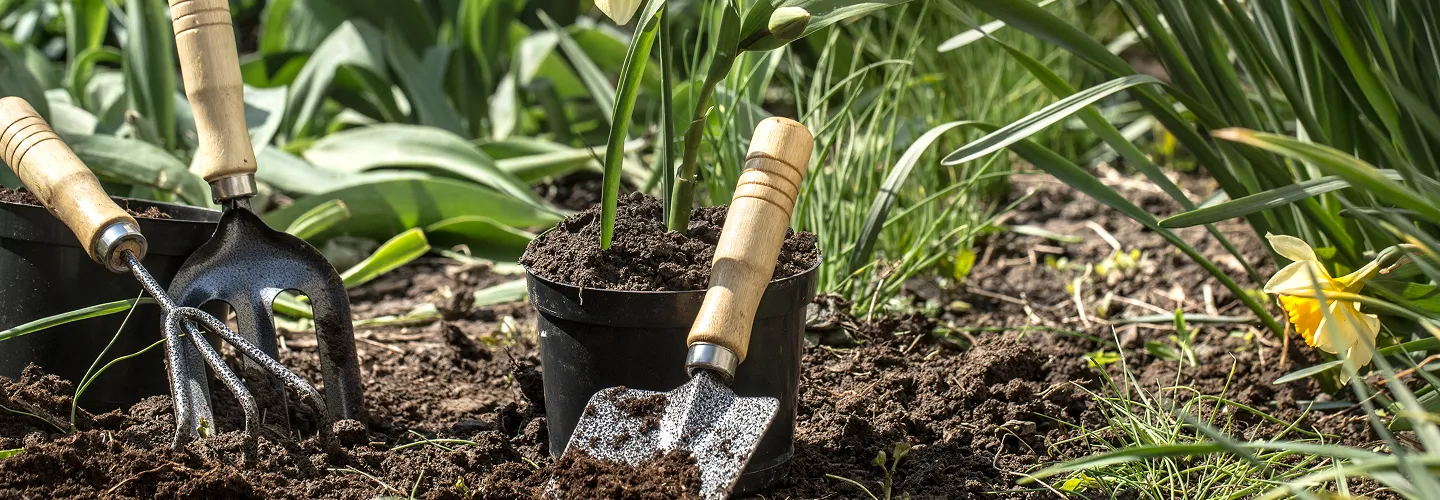
Leander Flower Planting Services
Choose our flower planting services for vibrant, expertly arranged blooms that thrive in Leander’s climate—bringing lasting beauty and curb appeal to your home.
Get a Free QuoteOur Leander Landscaping & Yard Care Services
When to Schedule Flower Planting in Leander, Texas – Seasonal Guide
Flower planting in Leander, Texas, is best scheduled with careful attention to our region’s unique climate and landscape. The optimal planting windows are typically early spring (late February to early April) and early fall (late September to mid-October), when temperatures are moderate and rainfall is more predictable. Leander’s proximity to the Balcones Canyonlands and neighborhoods like Crystal Falls means that microclimates can vary, so it’s important to consider your specific location.
Local environmental factors such as the last frost date—usually in early March—play a crucial role in timing. Our area’s clay-heavy soils, periods of high humidity, and occasional drought risk require thoughtful plant selection and timing. Shaded lots near Devine Lake Park may allow for slightly earlier planting, while open, sun-exposed yards might benefit from waiting until the risk of late cold snaps has passed. For more information on local planting guidelines, visit the Sudbury municipal resource.
Local Factors to Consider for Flower Planting in Leander
- Tree density and shade coverage, especially in established neighborhoods
- Soil composition and drainage, which can vary between rocky hillsides and creekside properties
- Annual precipitation patterns and drought risk
- Terrain elevation and exposure to wind
- Municipal watering restrictions and seasonal guidelines
Benefits of Flower Planting in Leander
Expert Local Knowledge
Customized Landscape Designs
Seasonal Plant Selection
Enhanced Curb Appeal
Eco-Friendly Practices
Reliable Maintenance Services
Leander Flower Planting Types

Perennial Flower Beds
-
Annual Flower Displays
-
Native Wildflower Gardens
-
Pollinator-Friendly Plantings
-
Shade Garden Flowers
-
Drought-Tolerant Flower Beds
-
Seasonal Color Rotations
Our Flower Planting Process
Site Evaluation
Soil Preparation
Plant Selection
Careful Planting
Watering and Mulching
Why Choose Leander Landscape Services
-
Leander Homeowners Trust Us
-
Expert Lawn Maintenance
-
Reliable Scheduling
-
Competitive Pricing
-
Professional Team
-
Satisfaction Guarantee
-
Personalized Service
Soil Series and Drainage Considerations for Flower Planting in Leander
Leander’s predominant soils, including Houston Black clay and Branyon clay loam, present unique challenges for flower planting due to their high clay content, slow drainage, and alkaline pH (typically 7.5-8.2). These soils can become compacted, restricting root growth and water infiltration. Before planting, it is recommended to incorporate 2-3 inches of compost tilled to a 6-inch depth and consider gypsum application to improve structure. Soil testing through Texas A&M AgriLife Extension (cost: $15-25) is advised to determine nutrient needs and pH adjustments. For optimal results:
- Amend with organic matter before planting
- Avoid planting in saturated conditions
- Select species tolerant of alkaline soils
- Maintain 2-3 inch mulch layer for moisture retention Research local soil series using the USDA Web Soil Survey for site-specific recommendations.
Leander Public Works Department
201 N. Brushy Street, Leander, TX 78641
Phone: (512) 259-2640
Official Website: Leander Public Works Department
Seasonal Timing and Climate Zone Guidance for Leander Flower Planting
Leander is located in USDA Hardiness Zone 8b, with average annual minimum temperatures of 15-20°F. The optimal window for planting most perennial flowers is from March 1 to April 15, when soil temperatures reach 55-65°F. Fall planting is also effective from October 1 to November 15, allowing roots to establish before winter. Avoid planting during peak summer (June-August), as high temperatures and drought stress can impede establishment. Key timing guidelines:
- Spring planting: March 1 – April 15 (soil temp 55-65°F)
- Fall planting: October 1 – November 15
- Avoid June-August due to heat stress
- Monitor local forecasts via the National Weather Service Austin/San Antonio Office Mulch newly planted beds to moderate soil temperature and conserve moisture. For weather-specific advice, consult the NWS or Texas A&M AgriLife Extension.
Leander Parks and Recreation Department
11880 Hero Way West, Leander, TX 78641
Phone: (512) 528-9909
Official Website: Leander Parks and Recreation Department
Native and Drought-Tolerant Flower Species for Leander’s Urban Landscapes
Selecting appropriate species is critical for sustainable flower planting in Leander’s climate and soils. Native and drought-tolerant perennials are recommended to reduce irrigation needs and support pollinators. Suitable options include:
- Black-eyed Susan (Rudbeckia hirta)
- Purple coneflower (Echinacea purpurea)
- Autumn sage (Salvia greggii)
- Winecup (Callirhoe involucrata)
- Gulf Coast penstemon (Penstemon tenuis)
- Mexican feathergrass (Nassella tenuissima)
- Turk’s cap (Malvaviscus arboreus) Plant spacing should be 12-18 inches for most perennials to ensure airflow and reduce disease risk. For shaded areas, consider coral bells (Heuchera spp.) or inland sea oats (Chasmanthium latifolium). Reference the USDA Plant Hardiness Zone Map for zone-appropriate selections.
Leander Zoning Division
201 N. Brushy Street, Leander, TX 78641
Phone: (512) 528-2750
Official Website: Leander Zoning Division
Municipal Regulations and Environmental Compliance for Flower Planting in Leander
Flower planting activities in Leander must comply with city ordinances regarding property setbacks, buffer zones, and stormwater management. Planting within 25 feet of wetlands or drainage channels is prohibited to protect water quality under the Clean Water Act and Leander’s MS4 permit. Fertilizer and pesticide applications are restricted within 50 feet of water bodies. Equipment operation for landscape work is permitted:
- Monday-Friday: 7:00 AM – 7:00 PM
- Saturday: 8:00 AM – 6:00 PM
- Sunday and holidays: Prohibited All plant debris must be disposed of through the city’s yard waste collection program; plastic bags are not accepted. For regulatory details, consult the Leander Code Enforcement Division and Texas Commission on Environmental Quality.
Leander Code Enforcement Division
201 N. Brushy Street, Leander, TX 78641
Phone: (512) 528-2700
Official Website: Leander Code Enforcement Division
Texas Commission on Environmental Quality
12100 Park 35 Circle, Austin, TX 78753
Phone: (512) 239-1000
Official Website: Texas Commission on Environmental Quality
What Neighborhoods Do We Serve Throughout Leander, TX?
- Crystal Falls: Features rolling terrain and shallow, rocky soils with moderate drainage. Flower planting here requires soil amendment and careful species selection due to limestone outcrops.
- Block House Creek: Characterized by compacted clay soils and mature tree canopy, which can limit sunlight and drainage. Shade-tolerant and drought-resistant species are recommended.
- Savanna Ranch: Newer development with improved topsoil but potential for construction fill and compaction. Raised beds and organic amendments enhance planting success.
- Old Town Leander: Historic area with variable soil quality and smaller lots. Proximity to Brushy Creek requires adherence to buffer zone regulations for water protection.
- Hazlewood: Subdivision with moderate slopes and engineered drainage. Erosion control and mulching are important for flower bed stability.
- Mason Hills: Larger lots with mixed sun and shade exposure. HOA guidelines may influence plant selection and bed placement.
- Palmera Ridge: Located near conservation areas, requiring compliance with city environmental ordinances and careful management of runoff from flower beds.